
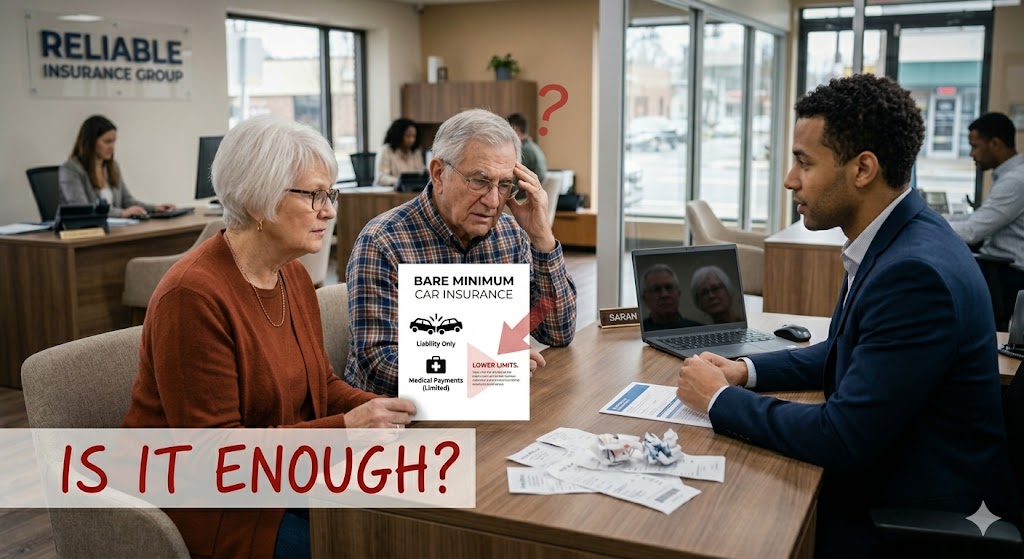
Many drivers looking to save money consider purchasing bare minimum car insurance—the lowest amount of coverage required by law. While this option can reduce monthly premiums, it may also leave drivers financially vulnerable after an accident.
Before choosing the cheapest policy available, it's important to understand what bare minimum car insurance covers, its limitations, and whether it's the right choice for your situation.
What Is Bare Minimum Car Insurance?
Bare minimum car insurance refers to the minimum amount of auto insurance coverage required by your state. These requirements vary by location, but most states mandate at least liability insurance.
Liability coverage generally includes:
-
Bodily injury liability
-
Property damage liability
This type of insurance helps pay for injuries and property damage you cause to others in an accident where you are at fault.
However, bare minimum coverage typically does not pay for damage to your own vehicle or your own medical expenses.
What Does Bare Minimum Car Insurance Cover?
Bodily Injury Liability
Bodily injury liability helps cover:
-
Medical expenses for injured parties
-
Lost wages
-
Rehabilitation costs
-
Legal expenses if you're sued after an accident
Coverage is subject to policy limits established by state law and your insurance provider.
Property Damage Liability
Property damage liability helps pay for damage you cause to:
-
Other vehicles
-
Buildings
-
Fences
-
Utility poles
-
Other property
Again, coverage is limited to the maximum amount listed in your policy.
What Bare Minimum Coverage Doesn't Include
Many drivers are surprised to learn how much isn't covered by a minimum insurance policy.
Typically, bare minimum coverage does not include:
Collision Coverage
Collision insurance helps pay for repairs to your own vehicle after an accident, regardless of fault.
Comprehensive Coverage
Comprehensive insurance covers damage caused by events such as:
-
Theft
-
Vandalism
-
Fire
-
Flooding
-
Hail
-
Falling objects
Uninsured Motorist Coverage
Depending on your state, uninsured motorist protection may not be included in minimum coverage.
Medical Payments Coverage
Your own medical expenses may not be covered unless you purchase additional protection.
Why Bare Minimum Insurance Is Popular
Many drivers choose minimum coverage because it offers the lowest monthly premium.
Common reasons include:
-
Tight budgets
-
Older vehicles with low market value
-
Infrequent driving
-
Meeting legal requirements at the lowest possible cost
For some drivers, minimum coverage may seem like a practical way to remain insured while controlling expenses.
The Risks of Bare Minimum Car Insurance
Although lower premiums can be attractive, minimum coverage comes with significant financial risks.
You May Be Responsible for Repair Costs
If you cause an accident, your liability insurance may pay for the other driver's damages, but repairs to your own vehicle would likely come out of your pocket.
Liability Limits May Be Too Low
Medical bills and vehicle repairs can quickly exceed minimum policy limits. If damages surpass your coverage, you could be personally responsible for the remaining costs.
Limited Protection Against Lawsuits
Serious accidents can result in substantial legal claims. Minimum liability limits may not provide enough protection if you're sued.
No Protection Against Non-Collision Events
Theft, weather damage, and vandalism generally aren't covered without comprehensive insurance.
Who Might Consider Bare Minimum Coverage?
Minimum coverage may be suitable for:
-
Drivers with older vehicles of limited value
-
Individuals who can afford out-of-pocket repair expenses
-
People seeking temporary insurance while shopping for broader coverage
Even in these situations, it's important to evaluate the potential financial risks before reducing coverage.
When Higher Coverage Makes Sense
Many drivers benefit from purchasing coverage above state minimum requirements.
You may want additional protection if:
-
You own a newer vehicle
-
You have significant assets to protect
-
You commute frequently
-
You live in an area with high accident rates
-
You would struggle to pay for major repairs or medical expenses
Additional coverage often costs less than many people expect when compared to the financial consequences of a serious accident.
Tips for Keeping Insurance Affordable
If you're considering bare minimum coverage solely to save money, there may be other ways to reduce costs.
Shop Around
Insurance rates vary widely between companies. Comparing multiple quotes can help you find better coverage at a competitive price.
Bundle Policies
Many insurers offer discounts when combining auto insurance with homeowners or renters insurance.
Maintain a Clean Driving Record
Safe drivers often qualify for lower premiums and additional discounts.
Increase Your Deductible
A higher deductible can reduce monthly premiums while maintaining stronger coverage levels.
Ask About Discounts
Potential savings opportunities may include:
-
Safe driver discounts
-
Good student discounts
-
Multi-vehicle discounts
-
Low-mileage discounts
-
Defensive driving course discounts
Bare minimum car insurance can satisfy legal requirements and reduce monthly expenses, but it provides limited financial protection. While it may be appropriate for certain drivers, many people find that the risks outweigh the savings.
Before choosing minimum coverage, carefully evaluate your vehicle's value, financial situation, and potential exposure to liability claims. In many cases, investing in higher coverage limits and additional protections can provide greater peace of mind and long-term financial security.