
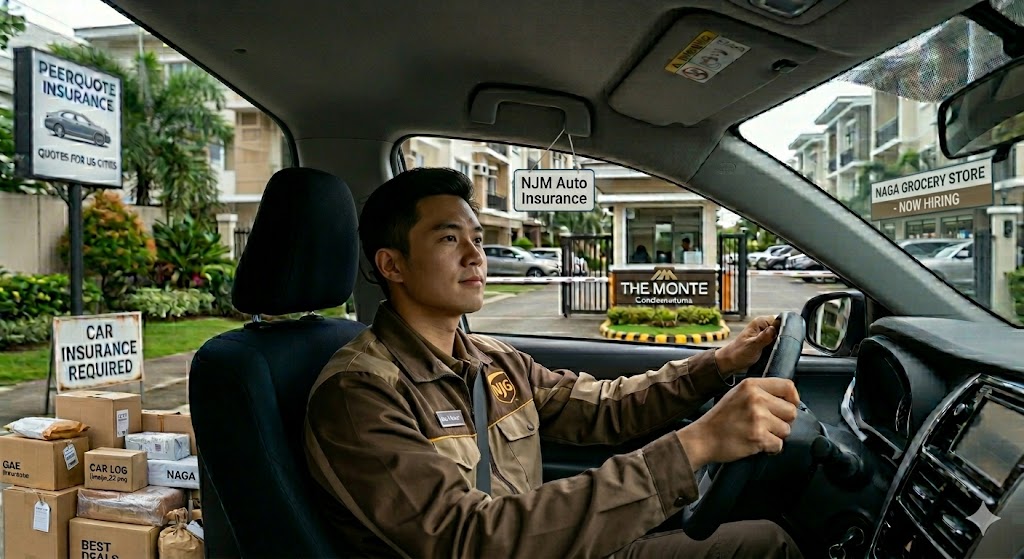
Business vehicle insurance is different from personal auto coverage. Standard personal policies often do not fully protect vehicles used for commercial purposes.
In this guide, you’ll learn:
* What business car insurance covers
* Who needs commercial auto insurance
* How business car insurance quotes are calculated
* Ways to lower your premiums
* Tips for comparing insurance providers
* Common mistakes to avoid
What Is Business Car Insurance?
Business car insurance, also known as commercial auto insurance, provides financial protection for vehicles used for business purposes.
This coverage can help pay for:
* Vehicle repairs
* Medical expenses
* Property damage
* Legal costs
* Liability claims
* Theft or vandalism
Commercial coverage is designed for businesses that rely on vehicles for work-related activities.
Who Needs Business Car Insurance?
You may need business vehicle insurance if you:
* Deliver products or services
* Transport equipment or tools
* Visit clients regularly
* Use company-owned vehicles
* Have employees driving for work
* Operate a rideshare or delivery business
* Use vans, trucks, or service vehicles
Even small businesses and self-employed professionals may require commercial coverage.
Examples include:
* Contractors
* Real estate agents
* Electricians
* Landscapers
* Food delivery drivers
* Cleaning companies
* Consultants
Personal vs. Commercial Auto Insurance
Many business owners assume their personal auto policy covers work-related driving.
Unfortunately, that’s not always true.
Here’s the difference:
| Personal Auto Insurance | Business Auto Insurance |
| ----------------------------- | ---------------------------------- |
| Covers personal driving | Covers business-related driving |
| Limited commercial protection | Higher liability limits |
| May exclude work use | Designed for commercial operations |
| Lower coverage limits | Can cover employees and fleets |
Using a personal vehicle for business without proper coverage could result in denied claims.
What Does Business Car Insurance Cover?
Coverage options vary depending on the insurer and policy type.
## Liability Coverage
Helps pay for damages or injuries you cause to others during an accident.
Collision Coverage
Pays for repairs to your business vehicle after a collision.
Comprehensive Coverage
Protects against non-collision incidents such as:
* Theft
* Fire
* Floods
* Vandalism
* Falling objects
Medical Payments Coverage
Helps cover medical expenses for drivers and passengers.
Uninsured or Underinsured Motorist Coverage
Protects your business if another driver lacks sufficient insurance.
Hired and Non-Owned Auto Coverage
Provides protection when employees use personal or rented vehicles for work purposes.
Factors That Affect a Business Car Insurance Quote
Insurance providers calculate quotes based on several risk factors.
Type of Business
Industries with higher driving risks often pay more.
For example:
* Delivery businesses
* Construction companies
* Transportation services
may face higher premiums.
Number of Vehicles
Fleet size directly impacts insurance costs.
More vehicles usually mean higher premiums, though fleet discounts may apply.
Driving History
Insurers review the driving records of:
* Business owners
* Employees operating vehicles
Accidents and traffic violations can increase costs.
Vehicle Type
Insurance rates vary depending on:
* Vehicle value
* Repair costs
* Safety features
* Cargo capacity
* Theft rates
Commercial trucks and specialty vehicles often cost more to insure.
Location
Businesses operating in high-traffic or high-crime areas may receive higher quotes.
Annual Mileage
The more your vehicles are driven, the higher the potential risk.
How to Get an Accurate Business Car Insurance Quote
To receive the most accurate quote possible, prepare the following information:
* Business name and address
* Vehicle details
* Driver information
* Estimated annual mileage
* Current insurance information
* Claims history
* Business operations description
Providing complete and accurate information helps avoid future claim issues.
Ways to Lower Business Car Insurance Costs
Commercial auto insurance can be expensive, but there are several ways to reduce costs.
Compare Multiple Quotes
Rates vary significantly between providers.
Comparing several insurers can help you find the best value.
Increase Deductibles
Higher deductibles often reduce monthly premiums.
However, ensure your business can afford out-of-pocket expenses if an accident occurs.
Hire Safe Drivers
Employees with clean driving records usually help lower insurance costs.
Some insurers also provide discounts for driver safety programs.
Bundle Insurance Policies
Many companies offer discounts when you combine:
* General liability insurance
* Commercial property insurance
* Workers’ compensation
* Business auto coverage
Install Safety Features
Vehicles equipped with:
* GPS tracking
* Dash cameras
* Anti-theft devices
* Collision warning systems
may qualify for discounts.
Review Coverage Regularly
As your business changes, your insurance needs may change too.
Review your policy annually to avoid paying for unnecessary coverage.
Common Mistakes Businesses Make
Choosing Minimum Coverage Only
Low-cost policies may not provide enough protection after a serious accident.
Not Covering Employees Properly
If employees drive company vehicles, they must be properly listed and insured.
Ignoring Policy Exclusions
Always read policy details carefully to understand what is not covered.
Failing to Update Policies
Adding new vehicles or expanding operations without updating coverage can create serious risks.
Best Businesses for Commercial Auto Insurance Savings
Some businesses may qualify for lower premiums due to reduced risk.
Examples include:
* Consultants
* Accountants
* Real estate professionals
* Small service providers
* Low-mileage businesses
Businesses with strong safety records often receive better rates.
Should Small Businesses Get Commercial Auto Insurance?
Yes.
Even one accident involving a business vehicle can lead to:
* Expensive lawsuits
* Property damage claims
* Medical expenses
* Lost income
Commercial auto insurance helps protect your business from potentially devastating financial losses.
Questions to Ask Before Buying Coverage
Before selecting a policy, ask insurers:
* What exactly is covered?
* Are employees included?
* What are the policy limits?
* Are rental vehicles covered?
* Is roadside assistance available?
* What discounts apply?
* How does the claims process work?
Understanding the answers can help you avoid costly surprises later.
Frequently Asked Questions
Is business car insurance legally required?
In many regions, yes. Businesses using vehicles commercially often must carry minimum liability coverage.
Can I use personal insurance for business driving?
Sometimes for limited use, but many personal policies exclude regular commercial activities.
How much does business car insurance cost?
Costs vary depending on vehicle type, business operations, location, and driver history.
Does commercial auto insurance cover employees?
Yes, many policies can cover employees driving company vehicles.
Can self-employed individuals get commercial auto insurance?
Absolutely. Freelancers, contractors, and sole proprietors often need business vehicle coverage.
Getting the right business car insurance quote is about more than finding the cheapest policy.
The best coverage balances affordability, protection, and long-term security for your business.
By comparing quotes, understanding your risks, and reviewing policy details carefully, you can protect your vehicles, employees, and company finances with confidence.
Whether you run a small local business or manage a growing fleet, commercial auto insurance is an investment in the stability and future of your business.