
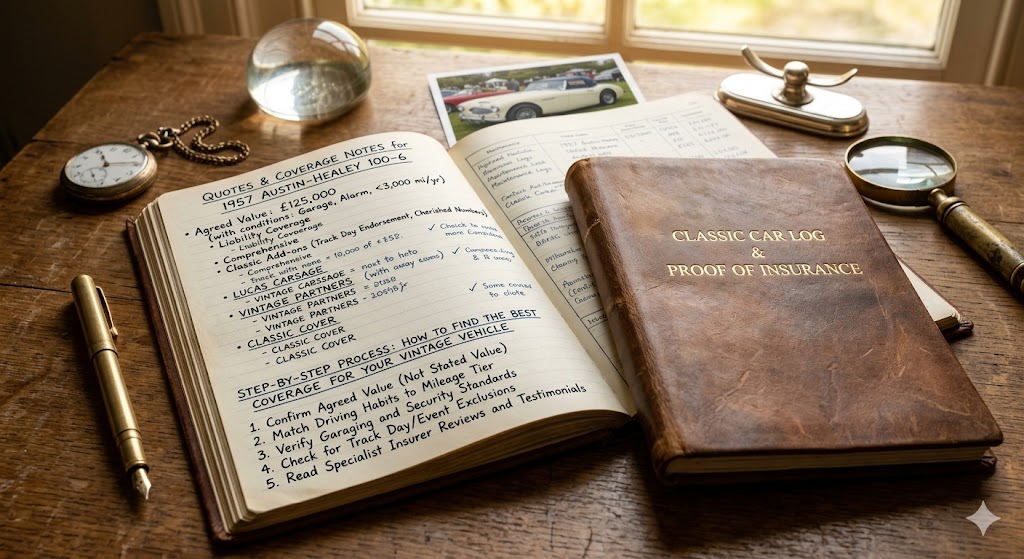
Whether you own a restored muscle car, a vintage roadster, or a collectible antique vehicle, protecting it with the right insurance is essential. Unlike standard auto insurance, classic car insurance is designed specifically for vehicles that are rarely driven, carefully maintained, and often appreciate in value over time.
In this guide, we’ll explain how classic car insurance quotes work, what affects pricing, and how to find affordable coverage without compromising protection.
What Is Classic Car Insurance?
Classic car insurance is a specialized type of auto insurance created for collectible, antique, and vintage vehicles.
Traditional auto insurance policies usually calculate payouts based on depreciated market value. Classic car insurance works differently because many collectible vehicles increase in value over time.
Most classic car policies offer:
* Agreed value coverage
* Flexible usage limits
* Specialized repair coverage
* Spare parts protection
* Restoration coverage options
* Lower premiums for limited driving
These policies are designed to protect vehicles that are used primarily for exhibitions, club events, car shows, or occasional leisure driving.
What Qualifies as a Classic Car?
Insurance companies may define classic cars differently, but most vehicles generally qualify if they:
* Are at least 10 to 25 years old
* Are maintained in good condition
* Are stored securely in a garage or enclosed space
* Are not used as daily drivers
* Have collectible or historical value
Vehicles commonly insured under classic car policies include:
* Vintage automobiles
* Antique cars
* Classic trucks
* Muscle cars
* Collector vehicles
* Exotic sports cars
* Restored classics
Some insurers also offer coverage for modified or replica vehicles.
How Classic Car Insurance Quotes Are Calculated
Several factors influence the cost of classic car insurance.
1. Vehicle Value
One of the biggest factors is the agreed value of the vehicle.
Agreed value coverage means you and the insurer agree on the car’s value upfront. If the vehicle is totaled, the policy pays that agreed amount rather than a depreciated market value.
Rare and high-value collectible cars typically cost more to insure.
2. Vehicle Usage
Classic cars are usually driven less often than standard vehicles.
Insurance providers often ask:
* How many miles you drive annually
* Whether the car is used for shows or exhibitions
* If the vehicle is used for commuting
* How frequently it is driven
Lower mileage generally leads to lower premiums.
3. Storage and Security
Secure storage helps reduce theft and weather-related risks.
Vehicles kept in:
* Locked garages
* Climate-controlled storage
* Private secured facilities
may qualify for lower insurance rates.
Additional anti-theft devices may also reduce premiums.
4. Driver Experience
Insurance companies evaluate the driver as carefully as the vehicle.
Drivers with:
* Clean driving records
* Extensive driving experience
* No recent accidents or violations
usually receive better rates.
Many insurers also require classic car owners to have a separate daily-use vehicle.
5. Location
Where you live can affect insurance costs.
Areas with:
* Higher theft rates
* Severe weather risks
* Heavy traffic congestion
may result in higher premiums.
Why Classic Car Insurance Is Often Cheaper
Many people assume collectible vehicles are expensive to insure, but classic car insurance is often surprisingly affordable.
That’s because insurers recognize that classic car owners typically:
* Drive less frequently
* Maintain vehicles carefully
* Store cars securely
* Avoid risky driving situations
Since the vehicles are not used for daily commuting, insurers often consider them lower risk.
What Classic Car Insurance Usually Covers
Coverage options vary by insurer, but many policies include:
Agreed Value Coverage
Ensures you receive the insured value if the vehicle is declared a total loss.
Collision Coverage
Pays for damage caused by accidents.
Comprehensive Coverage
Protects against:
* Theft
* Fire
* Vandalism
* Storm damage
* Falling objects
Spare Parts Coverage
Covers replacement parts and automotive tools.
Restoration Coverage
Some policies protect vehicles during restoration projects.
Roadside Assistance
Specialized towing and roadside services may be included for collectible vehicles.
How to Get the Best Classic Car Insurance Quotes
Compare Multiple Providers
Not all insurers specialize in classic vehicles.
Requesting quotes from companies that focus on collector cars can help you find better pricing and coverage options.
Determine Your Car’s Accurate Value
Before requesting quotes, research your vehicle’s market value carefully.
Helpful sources may include:
* Professional appraisals
* Collector car price guides
* Auction results
* Restoration receipts
Accurate valuation helps ensure proper coverage.
Limit Annual Mileage
Many classic car insurance policies offer lower premiums for limited mileage.
Reducing annual driving distances can significantly lower costs.
Improve Vehicle Security
Installing:
* Alarm systems
* GPS tracking devices
* Steering wheel locks
* Secure garage storage
may qualify you for discounts.
Bundle Insurance Policies
Some insurers provide discounts when combining classic car coverage with:
* Home insurance
* Standard auto insurance
* Motorcycle insurance
Bundling can simplify policy management and reduce overall costs.
Common Mistakes to Avoid
Choosing Standard Auto Insurance
A regular auto policy may not provide sufficient protection for collectible vehicles.
Without agreed value coverage, you could receive far less than your car’s actual value after a loss.
Underinsuring the Vehicle
Failing to properly value your classic car can leave you financially exposed.
Vehicle values may increase over time, especially for rare or restored models.
Ignoring Usage Restrictions
Some classic car policies limit:
* Daily commuting
* Commercial use
* Excessive mileage
Violating policy terms could affect coverage eligibility.
Skipping Policy Reviews
Collector car values fluctuate.
Reviewing your policy annually helps ensure your agreed value still reflects the vehicle’s worth.
Popular Types of Vehicles Covered by Classic Car Insurance
Classic car policies may cover a wide range of collectible vehicles, including:
* American muscle cars
* Antique vehicles
* Vintage convertibles
* Collector trucks
* Hot rods
* Classic imports
* Rare sports cars
* Limited-production vehicles
Some insurers also cover motorcycles, military vehicles, and custom-built automobiles.
Is Classic Car Insurance Worth It?
For most collectors, the answer is yes.
Classic car insurance provides specialized protection that standard auto policies often cannot match. The ability to secure agreed value coverage alone can make a major financial difference after theft, accidents, or severe damage.
Additionally, premiums are often lower than many drivers expect because collectible vehicles are generally driven less frequently and maintained more carefully.
Finding the right classic car insurance quotes requires more than searching for the lowest premium. The best policy balances affordability with specialized protection tailored to your vehicle’s unique value.
By comparing multiple insurers, accurately valuing your vehicle, limiting mileage, and reviewing your coverage regularly, you can protect your investment while keeping insurance costs manageable.
Whether you own a restored vintage coupe, a classic muscle car, or a rare collector automobile, the right insurance policy helps preserve both your financial security and your passion for classic cars.