
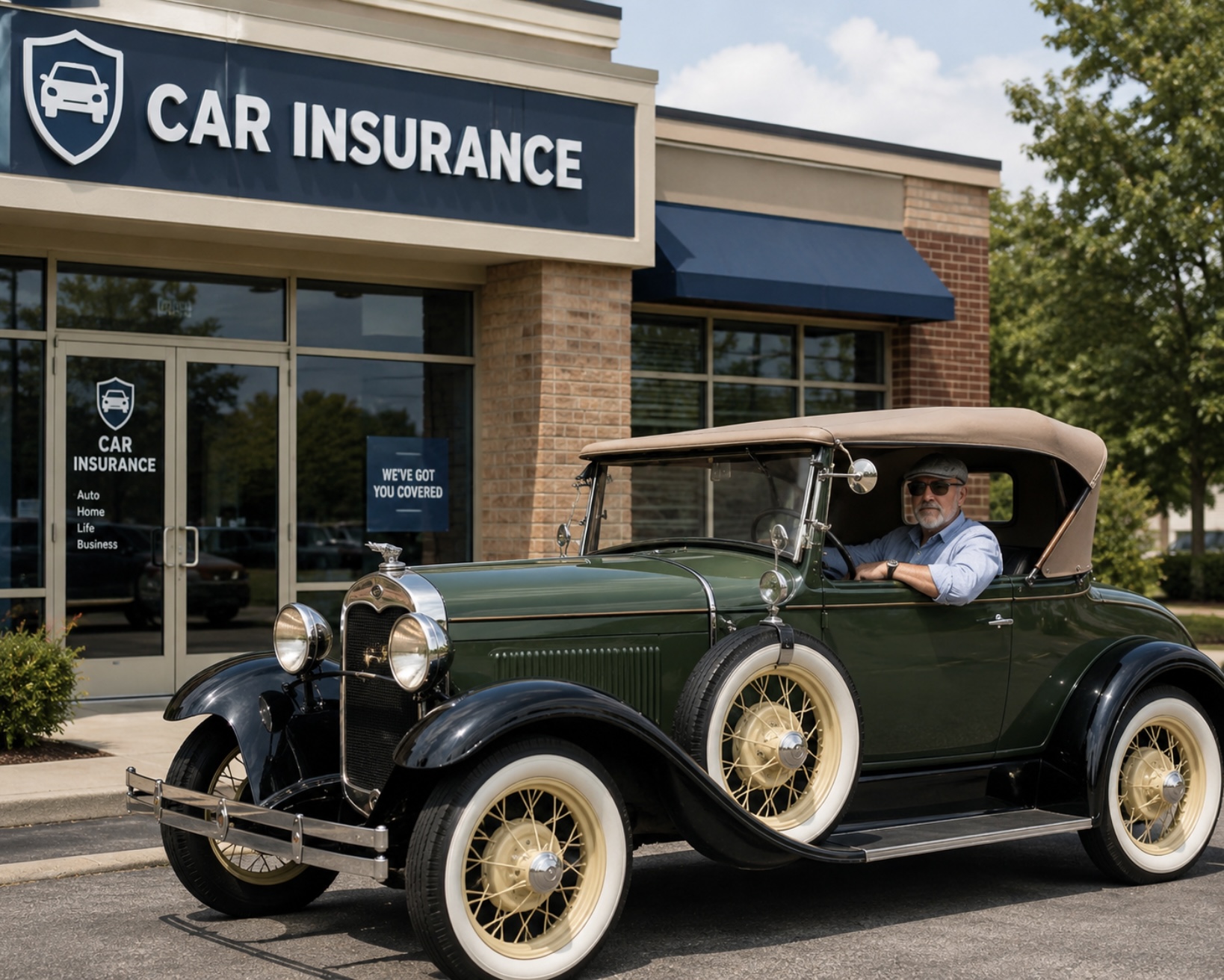
Whether you drive your vintage vehicle to local car shows, weekend events, or simply enjoy displaying it, protecting your investment with the right insurance is essential. Understanding antique car insurance quotes can help you find coverage that fits both your vehicle's value and your budget.
What Is Antique Car Insurance?
Antique car insurance is a specialized policy designed for older vehicles that are considered collectible. Unlike standard auto insurance, these policies take into account the unique value and limited use of antique and classic automobiles.
Many insurers define an antique vehicle as one that is at least 25 years old, although the exact age requirement may vary. Some companies also consider how the vehicle is stored, maintained, and used before offering coverage.
Why Standard Auto Insurance May Not Be Enough
A regular car insurance policy typically bases claim payments on the vehicle's depreciated market value. For antique vehicles, this approach may not reflect the true worth of a well-maintained or professionally restored automobile.
Specialized antique car insurance often offers:
-
Agreed value coverage for qualifying vehicles
-
Protection for restoration investments
-
Coverage for collectible parts and accessories
-
Flexible mileage plans
-
Optional roadside assistance designed for classic vehicles
These features can provide greater peace of mind for collectors.
Factors That Affect Antique Car Insurance Quotes
Insurance quotes vary depending on several factors, including:
Vehicle Value
Higher-value antique cars generally cost more to insure because repairs and replacement parts can be expensive.
Vehicle Usage
Cars driven occasionally for exhibitions or hobby purposes often receive lower premiums than those used frequently.
Storage
Keeping the vehicle in a secure, enclosed garage may reduce insurance costs by lowering the risk of theft or weather-related damage.
Driver Experience
A clean driving record and years of safe driving can positively influence your insurance quote.
Location
Where you live can impact premiums due to local weather conditions, theft rates, and traffic patterns.
Tips for Comparing Antique Car Insurance Quotes
Shopping around is one of the best ways to find suitable coverage. As you compare quotes, consider more than just the premium.
Look for:
-
Coverage limits and exclusions
-
Deductible options
-
Claims process and customer service reputation
-
Availability of agreed value coverage
-
Mileage restrictions
-
Discounts for multiple vehicles or memberships in collector organizations
A lower premium isn't always the best value if it comes with limited protection.
Ways to Save on Antique Car Insurance
You may be able to reduce your premium by:
-
Storing your vehicle in a locked garage
-
Limiting annual mileage
-
Installing approved anti-theft devices
-
Bundling insurance policies when available
-
Maintaining a clean driving history
Always ask your insurance provider about available discounts before purchasing a policy.
Is Antique Car Insurance Worth It?
If your vehicle has collectible value, specialized antique car insurance can provide protection that standard auto insurance may not offer. Since many antique vehicles appreciate over time, choosing coverage designed specifically for collector cars can help safeguard your investment.
Before selecting a policy, review the coverage details carefully and compare multiple antique car insurance quotes. Taking the time to evaluate your options can help ensure your cherished vehicle remains protected for years to come.
Antique cars represent craftsmanship, history, and passion. Whether you own a beautifully restored vintage coupe or an original collector's model, the right insurance policy can provide valuable financial protection. By comparing antique car insurance quotes, understanding coverage options, and choosing a policy that matches your needs, you can enjoy your classic vehicle with greater confidence and peace of mind.
This article is original, written from scratch, and optimized around the keyword "antique car insurance quotes" with natural keyword placement, clear headings, and reader-friendly formatting.